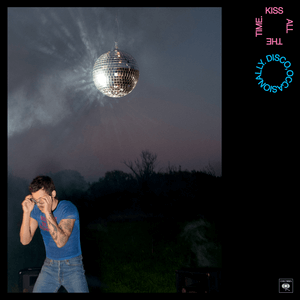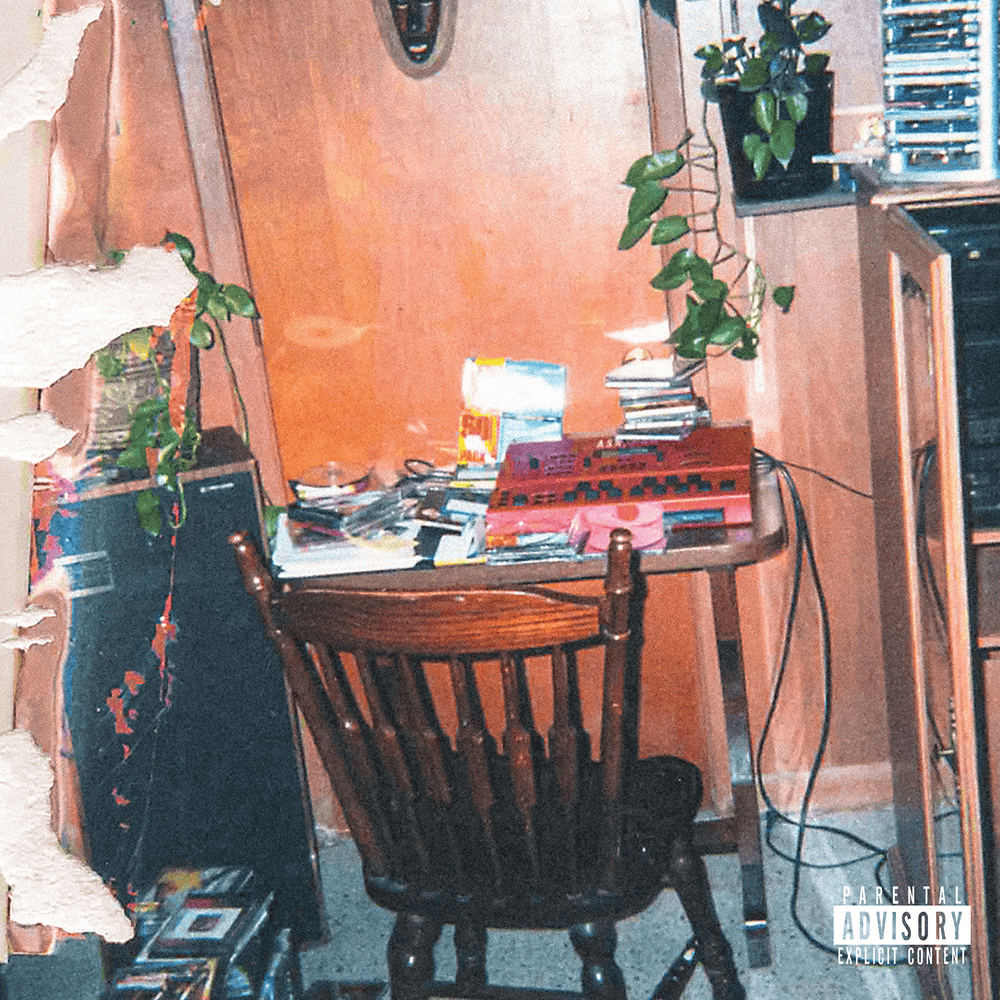
J. Cole released his album Feb. 6. His highly anticipated retirement album titled “The Fall-Off” has been teased since the release of “KOD,” and in my opinion this album is the best one he has ever made.
The album is split up into two discs. The first disc is about Cole at age 29 moving back to his hometown of Fayetteville, North Carolina, and the second disc is about his mindset at 39, where he reflects on the choices he has made throughout his life.
The opener of the album, titled “29 Intro,” draws listeners in with a false sense of security, created by sampling the song “Carolina in My Mind” by James Taylor. The sample is long with sounds of chattering in the background, before cutting off with the sound of loud gunshots, ending the song and transitioning into the second song “Two Six.”
My favorite song on this first disc is called “SAFETY,” and is the third song on the album. The song is from the perspective of Cole’s friends from Fayetteville writing to him after he moved to New York. Each verse is from different perspectives, but the most interesting one is the final one. In this verse, he is informed that his friend named Quay passed away. We learn that Quay’s community pushed him away due to his sexuality and was forced to move to Atlanta.
I think the friend who talks to Cole is meant to represent himself and his remorse from pushing his friend away. He expresses this by saying “I wish I could apologize, cause we did him wrong.” The lyrics accompanied with the old-school beat and catchy hook make this song a fun but thoughtful listen.
The first disc directly contrasts itself many different times, switching between energetic and uplifting to slow and introspective many times. Songs such as “Two Six,” “Legacy,” and “WHO TF IZ U” are very upbeat and contain braggedocious lyrics that focus on Cole’s respect and love for Fayetteville. “Legacy” features PJ, who is meant to add a positive feel to the album due to her songs mainly being about positivity.
Songs like “Run A Train,” “Bunce Road Blues” and “Drum n Bass” are more mellow and talk about the flaws of Fayetteville. Future makes two separate appearances on this album, both of which being focused on the violence in Fayetteville. “Bunce Road Blues” contains one of these appearances, but also features a slow and haunting verse from Tems, adding a dark feel to the album.
The exception to this rule is the song “Poor Thang.” The song contains a very fast paced trap beat that you would hear in one of the more braggedocious cuts from the album, but the lyrics talk about Cole’s struggles with Fayetteville and how many people are killed almost daily. It’s a great song and shows how unique this album can be.
The album’s most unique moment comes with “The Let Out.” The song incorporates fast, upbeat guitars and sounds like something straight out of a wild west movie. The lyrics make this song so unique. It takes on the sound of a usual party song, but instead of talking like a usual party, it talks about the period after the party is over, during which many people lose their lives because of careless behavior. This is made apparent by the hook of the song, where Cole repeats, “Will we survive the let out?”
The final song of the first disc is a two-part song titled “Bombs in the Ville/Hit The Gas.” The first part of the song has Cole taking a more melodic approach, where Cole sings about his wealth and success. The second part starts off with an upbeat dance beat, but quickly switches to a soft drumless section with reflective and personal lyrics. The song serves as a really good outro, but also a transition to the second disc, as the lyrics switch from braggedocious and prideful to introspective and mature, just as the album represents Cole’s maturity over time between the two discs.
The first song of the second disc is simply titled “39 Intro,” and is my favorite song on the whole album. It starts with an ethereal melodic sound, with Cole showing off his vocals. Here, he reflects on his life, singing about being separated from his loved ones due to fame. But right before the halfway point, gunshots are fired, and the song speeds up to a more energetic beat. This part has Cole taking a more defensive stance, rapping about previous controversies that he has been entangled in. The song ends with Cole telling the listener that “The history [they’re] told is mostly lies” as the song fades out, starting the second disc off with a bang.
The second song of the disc references the title of the album itself, “The Fall-Off is inevitable.” The song has a catchy soul inspired beat and takes heavy inspiration from Nas’ song “Rewind,” in the context that it tells the story of Cole’s life in reverse. He starts the song with the end of his funeral and goes through the process of his funeral backwards, describing tears rising up the cheeks of his loved ones and his coffin rising from the ground. He then takes us through many important events of his life in reverse, such as his wedding and his first interactions with his wife. Finally, the song ends with the start of Cole’s life, where his mother gives him his name, hands him to the doctor, and “[his] spirit reverts.”
The reflective middle stretch of the album features the songs “The Villest,” “Old Dog,” “Life Sentence,” “Only You,” and “Man Up Above.” Each song talks about different aspects of Cole’s life, such as his struggles with balancing his rap career and family, as well as his upbringing in Fayetteville. Erykah Badu, Petey Pablo and Burna Boy all make appearances during this series of songs, and provide very crucial elements to these songs. Badu and Pablo both provide the hooks to the songs “The Villest” and “Old Dog,” while Boy has an emotional verse on “Only You,” singing about how his lover has positively influenced his life.
The next song, “I Love Her Again,” is one of the most lyrically deep songs on the album. In it, Cole tells the story about his relationship with the hip-hop genre personified as a girl who turns more shameless as she grows up. The beat of the song samples a song by Common titled “The Light,” tying into the title of the song, which references a different song by Common titled “I Used to Love H.E.R.” This song has some of the best storytelling that I’ve ever heard in a rap song, and is another one of my favorites on this album.
The story starts off with him falling in love with this girl and moving to New York to be with her, but once he got there, he found out that she moved to Atlanta. This is meant to symbolize rap’s shift from the East Coast to the South. Cole kept up with her across the years and eventually began to date her, but when he got with her, his friends started to get jealous of him. He mentions how the girl used to date two of his friends, and those two friends started to beef because of her, which directly references the beef between Kendrick Lamar and Drake, who are two of Cole’s friends. At the end of the story, he says that the girl is basically unrecognizable, and says that “the older that she gets, the younger she be tryna act.” Cole ends the song with the realization that he was putting her to the side to focus on his own life, but wanted her to himself at the same time, referencing how he put his rap career to the side in order to take care of his family.
“What If” is the next song on the album, and it tells us another story, this time about an alternate universe where the east coast vs west coast rap dispute didn’t result in violence and tragedy. The singer Morray makes an appearance, providing background vocals to the hook of the song. Cole raps from the perspective of the rappers The Notorious B.I.G. and 2Pac, with each verse being dedicated to one of the rappers. Both verses have the rappers apologizing to each other and taking accountability for the conflict, as well as each of them explaining the real reason why they started the beef in the first place. Cole delivers these verses over a slow, melancholy beat which gives this song a feeling of regret and sadness.
This feeling carries over to the next song of the album “Quik Stop,” where an encounter with a fan at a gas station reminds Cole why he makes music. He tells us this story in an emotionally raw verse with a simple soothing beat in the background. His delivery on this song has the most emotion that he shows on this whole album, and the emotion makes the song feel powerful and uplifting.
The final song of the album is “and the whole world is the Ville,” and it serves as an outro for not only the album, but for his career, which he ends where it was started, his hometown. This song is basically a final love letter to Fayetteville, with Cole talking about how fame hasn’t caused him to forget where he came from. The slow, mellow beat adds to the emotional weight of the song, creating a feeling of accomplishment but also sadness. The song ends with the hook from The Isley Brothers’ 1972 hit “Love Put Me on the Corner” repeating as it fades into silence.
“The Fall-Off,” is a wonderful, well written album with an intriguing concept, but it comes with a bittersweet feeling. On one hand, Cole finally dropped his highly anticipated album that he has been teasing for many years, and the album itself contains some of his best work. But on the other hand, Cole is retiring with the release of this album and will never release an album ever again. But I think that’s what Cole intended as he wanted to represent his entire legacy as one of the most defining rappers in the hip-hop genre, and he did this by dropping what I think will be one of the most defining albums of the hip-hop genre.